

About Joyner Law
We started Joyner Law with a singular purpose: make criminal and traffic defense more accessible.
Accessibility doesn’t just mean affordable. It means being available when you need us. Answering the phone when you call — or calling back the same day when we miss it. Accessibility is a design constraint, not a marketing gimmick. We treat you and your case with the care we’d expect from an attorney representing someone we care about. When you hire us to defend you or someone you love, you’re hiring us to care as much as you do. That’s a responsibility we take seriously.

Our origin story
We started in 2017 because the middle of the market didn’t exist.
Criminal and traffic defense had effectively split into two models: high-volume practices that kept fees low by processing cases at scale, and firms that charged significantly more for the same kind of work with fewer clients. We didn’t think either model represented what most people actually needed: serious attention at a price that didn’t require treating legal defense as a luxury.
Joyner Law was built around a different premise: that a firm could be priced for normal people and still run with the care serious cases deserve. The model works because of the operational choices underneath it — less staff, better systems, workflows designed so attorneys spend their time on cases rather than on administrative drag. When the systems work, the attorneys can do their best work, and the fee structure stays sustainable.
We opened the Richmond office in 2017. The Wytheville office followed in 2018, extending coverage from central Virginia into the southwest. Today the firm is five attorneys across those two offices, handling every kind of criminal and traffic case the Commonwealth charges.
The attorneys here have practiced from every angle — private defense, public defense, prosecution. A criminal case in Virginia depends on how the prosecution thinks, how the judge thinks, and how the defense lawyer thinks. Having worked from each of those positions is part of what each attorney brings.
Four things shape how we work.
Every attorney works on every case.
A criminal or traffic charge is never the work of one lawyer in isolation. The intake process, the case strategy, the courtroom prep — all of it runs through the whole firm. That means the experience of your case isn’t dependent on which attorney happened to answer the phone the day you called. You hire Joyner Law; you get Joyner Law.
Every client gets the same firm.
Every case gets the full intake process. Every case gets reviewed by the whole firm. Every case gets prepared by an attorney with the time to prepare it. The firm is sized and structured so that nothing has to be triaged — no tier for the cases that move the firm’s numbers and a smaller tier for everyone else. The case in front of us is the one that gets the work.
The work is built around the client, not the calendar.
Most firms are organized around their own logistics — when they return calls, when they can fit you in, what their docket looks like that week. We’ve built the operational side of the firm so the client’s situation comes first: phones answered by an attorney when you call, callbacks the same day when we miss them, and time for your case when your case needs it.
Excellent legal representation should not be a luxury.
This is the belief the firm was founded on, and the one that organizes everything else. The flat rates, the systems, the size of the firm, the kind of cases we take — every operational decision traces back to keeping serious defense within reach for people who shouldn’t have to choose between a lawyer they can afford and a lawyer who’ll do the work right.
A few things you can count on.
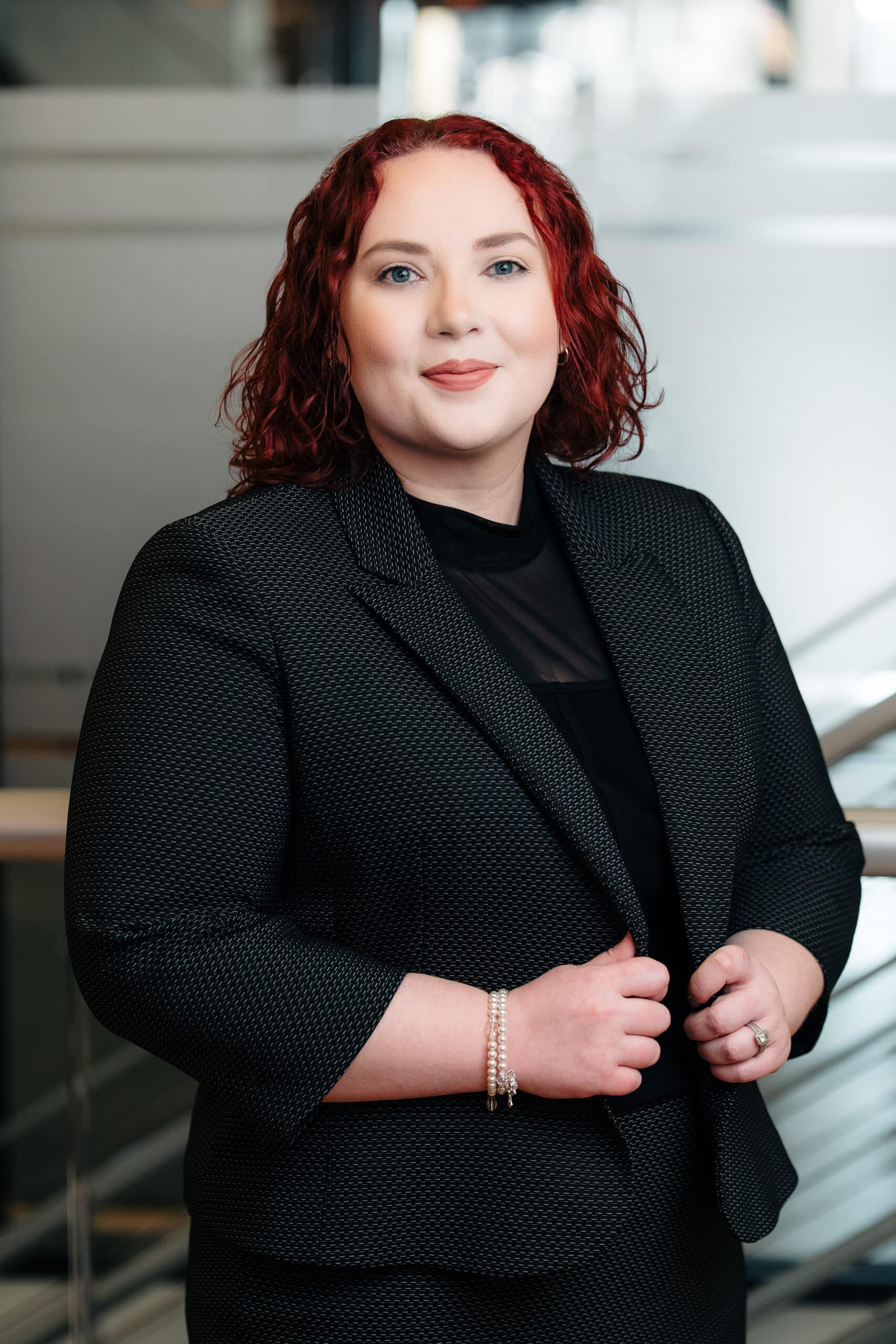
The team behind your defense.




Our Practice Areas
The practice area pages cover questions specific to each kind of charge. Below are the questions that apply to every case we handle.
What should I look for in hiring an attorney to represent me?
A few things matter when you’re deciding who to hire:
Focus on criminal and traffic defense. Lawyers who handle these cases day in and day out know the courts, the judges, and the prosecutors in a way that a general practitioner can’t. Hire someone who does this work as their sole focus, not alongside a practice area list of wills, divorces, and personal injury.
Experience. Years in practice and case volume both matter. A firm that’s seen your kind of case hundreds of times has a real read on what’s realistic in front of your judge and your prosecutor — and on how the same charge tends to play out in your jurisdiction.
Communication. When you call a law firm to speak with your attorney, you should actually speak with your attorney. When you send an email, an attorney should answer it — not days later. Communication is the part of the relationship that matters most after you’ve hired someone, and it’s the part that breaks down most often.
The feel. You should leave the first conversation feeling heard. Did the attorney listen to your side, or did you do most of the listening? Are you on the same page about what you want out of the case? Did you feel talked down to? The relationship is going to last weeks or months, and the way it feels at the start is usually the way it feels at the end.
Reviews. One review is an anecdote; a pattern of reviews is a track record. Read what previous clients say about working with the firm, and look for firms with a long pattern.
Why is Joyner Law different from other attorneys or law firms?
We focus exclusively on criminal and traffic defense, we charge flat rates instead of hourly, and we run the firm on systems that most defense practices don’t bother with.
The systems are the part that’s hardest to see from the outside. Intake, scheduling, document management, client communications, case tracking — the operational layer of a defense practice is usually patched together as the firm grows. We’ve built that layer deliberately, using technology that high-volume firms typically use to maximize caseloads. The difference is what we use it for. We’re not trying to fit more cases into the day. We’re trying to give every case the time it actually needs.
The practical result: attorneys spend their time on the work that requires an attorney — reviewing evidence, talking to clients, preparing for court. That’s what attorneys are trained to do, it’s what they want to be doing, and it’s what clients are paying for. The fee structure stays sustainable because the firm isn’t carrying the cost of inefficient operations. And clients get the same caliber of attention whether the case is a speeding ticket or a felony.
What happens during our initial consultation and how much does that conversation cost?
The consultation is free, and there’s no obligation to hire us at the end of it.
What we cover: the facts of your case, the charge you’re facing, where it’s being heard, and what’s realistically on the table given those facts and that jurisdiction. We’ll tell you what we’d charge to handle it and give you that quote in writing. If you have any paperwork from the court or anything else relevant to the case, having it in front of you during the call makes the conversation more useful — but it isn’t required.
How long it takes depends on the case. Most consultations run 15 to 30 minutes. Some are faster; some go longer when the facts call for it.
After the call, we’ll send you a follow-up email with whatever’s useful for your situation — what to do between now and your court date, what to expect when you get there, and what documents to gather if there are any. Whether you hire us or not, you’ll walk away with a clearer picture of what you’re facing and what your realistic options are.
Everything we discuss is confidential — including the fact that you called. You can hire us at the end of the conversation, take time to think about it, or decide we’re not the right fit. All three are fine.
How much do you charge?
We charge flat rates, not hourly. You’ll know the full fee before you decide whether to hire us, and you’ll get that quote in writing.
The actual number depends on a few things: the charge you’re facing, the jurisdiction where it’s being heard, and the facts of the case. A speeding ticket is different work than a DWI. A reckless driving charge is different work than a malicious wounding charge. The fee reflects what your specific case calls for. Some cases also call for more than the standard work, and that affects the fee too. We’ll tell you what’s involved and what we’d charge to handle it.
What we won’t do is quote you a low number to get you in the door and then come back later asking for more. The quote we give you in the consultation is the quote. If something materially changes the scope of the case after you’ve hired us, we’ll tell you, we’ll reassess, and we’ll discuss it before anything moves on the fee. It won’t be a surprise.
I spoke to other attorneys and they charge a lot more or a lot less than you, why is that?
Prices vary across firms for a lot of reasons — different cost structures, different case mixes, different operating philosophies, different overhead, different geographic markets within Virginia. A traffic firm in Northern Virginia carries a different cost structure than one in Southwest Virginia. A firm focused on high-volume cases is built differently than one taking a smaller number of more complex cases. None of that variation tells you anything specific about quality on its own.
What we can speak to is our own pricing. We charge flat rates based on what each case calls for. The operational choices we’ve made — the systems, the lean staffing, the focus on criminal and traffic defense exclusively — keep our cost of doing business low enough that we can charge what we charge and still do the work each case deserves.
If you’re comparison-shopping on price, our honest advice is that price alone isn’t a useful signal. A lower fee doesn’t mean the firm will do less for your case any more than a higher fee guarantees better representation. The criteria we’d point you to are the same ones anyone comparing lawyers carefully would use: focus on the practice area, experience with cases like yours, communication, how the relationship feels in the consultation, and what previous clients say in reviews. We covered those in more detail above.
One more thing worth noting: the criteria above are about the work. They aren’t about marketing. Slogans, guarantees, outcome calculators, branded phone numbers, manufactured urgency designed to short-circuit a careful decision — none of that tells you how the firm handles a case. Focus, experience, communication, the feel of the consultation, and the pattern of reviews — those do.
Do you guarantee results?
No. Virginia’s Rules of Professional Conduct prohibit lawyers from guaranteeing results, and we wouldn’t even if the rules allowed it. Outcomes in court depend on facts we can’t change, evidence we can’t always control, and judges with discretion. Any lawyer who tells you they can guarantee a specific outcome is telling you something they’re not allowed to tell you — which is information in itself.
The same caution applies to marketing that implies outcomes without saying the word “guarantee.” Case-result pages, “record verdict” highlights, “we win” taglines, success-rate percentages — none of those say “we guarantee this for your case,” but they’re built to leave you with that impression. The impression is the problem.
What we can commit to: showing up prepared, doing the work the case needs, being straight with you about what’s realistic before you hire us and throughout the case, and telling you what’s happening, when it’s happening, and what comes next. The fee structure, the written quote, and the no-surprise commitments are covered above.
What is your success rate in court?
Similar to our hesitance to make guarantees, we don’t believe in advertising our success rates and outcomes.
Cherry-picking our best outcomes and advertising them seems to us clearly misleading. Picking out a case where we got a 100/70 Reckless Driving charge reduced to Defective Equipment isn’t a reasonable expectation in most cases, and putting that in front of you suggests the same is likely to happen in yours. The same goes for highlighting felony cases that ended in dismissal, or DWI trials that ended in Not Guilty verdicts. None of those outcomes tells you anything about how your case will resolve.
We also don’t advertise the percentage of our cases that are reduced or dismissed. A number in the high 90% range may be accurate, but presenting it makes it sound like we’re almost guaranteeing an outcome — or at minimum, using information you have no way of verifying to lead you to believe there’s a 90-something percent chance of getting your case dismissed. Neither is appropriate.
Every case is unique. The facts, the jurisdiction, the prosecutor, the judge, your record — all of these matter, and none of them are captured in an aggregate number or a list of best outcomes. The best barometer for measuring the results an attorney or law firm has gotten for clients is to read reviews from previous clients.
Is the lawyer I speak with going to be the one representing me in court?
For non-traffic criminal cases, yes. The attorney who handles your consultation is the one who’ll represent you. Those cases run on longer timelines, and the same attorney stays on the case from start to finish.
For traffic cases, the answer is more nuanced. We schedule court coverage two to three weeks in advance, and we’ll do our best to keep the attorney you spoke with on your case — but a specific request can sometimes run into scheduling realities. We don’t hire bad attorneys here, we don’t accept bad results, and we make sure every person we represent is comfortable with their representation. Whichever attorney appears for you will have read the case, know the facts, and know the strategy. You’ll have an opportunity to speak with the attorney representing you before your hearing if it isn’t the same one you started with.
One practice we want to name directly: it’s become common in Virginia for firms to “outsource” cases — taking on cases in jurisdictions they can’t physically cover, or scheduling more cases than they can staff, and then faxing the file to an outside attorney on the afternoon before court. The outside attorney handles the hearing on a case they’re reading for the first time right before the hearing. Sometimes that outside attorney could be one the client already spoke with and decided not to hire. We don’t do this. When you hire Joyner Law, the attorney who represents you in court is an attorney at our firm — one who has read the case, knows the facts, and is part of the team that reviewed your case before you walked into court.
Tell us what happened.
The consultation is free, and it’s actually a conversation — not a sales call. We’ll talk through your situation, give you an honest read on what you’re facing, and tell you what we’d charge to handle it. Whether you hire us or not, you’ll leave the conversation knowing more than when you started.